
How to file an RTI application: a step-by-step guide for first-time users
The Right to Information Act lets any citizen seek records from public authorities. Here is how to draft a request, pay the fee, and appeal if the reply falls short.
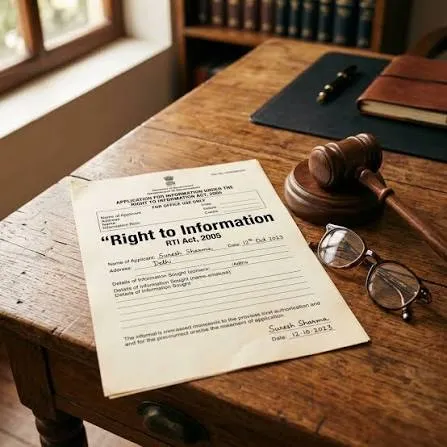
Want to know why a road in your colony has stayed half-built, or what happened to a pension file that has not moved in months? The Right to Information Act, 2005 gives every Indian citizen a legal route to ask. Using it is simpler than many people assume.
Step 1: Identify the right office. An RTI request goes to the Public Information Officer (PIO) of the public authority that holds the information. Central ministries, state departments, municipal bodies, public sector banks and many government-funded institutions are covered. If you send it to the wrong office, the law requires it to be transferred, but aiming correctly saves time.
Step 2: Draft a clear request. Keep it short and specific. Ask for records, not opinions: copies of file notings, sanctioned budgets, inspection reports or the status of an application with dates. You do not have to give a reason for asking. Numbered questions help the officer respond point by point.
Step 3: Pay the fee and submit. For central government bodies the application fee is ₹10, and citizens below the poverty line are exempt on producing proof. States set their own fee rules. You can apply on paper by post or in person, and central authorities accept online applications through the government's RTI portal. Keep a copy and the receipt.
Step 4: Wait for the reply
The PIO must respond within 30 days. Where the information concerns someone's life or liberty, the deadline is 48 hours. The officer may ask for an additional fee for photocopies, and may refuse parts of the request that fall under exemptions listed in the Act, such as matters affecting national security or personal information with no link to public interest.
Step 5: Appeal if needed
If there is no reply, or the answer is incomplete, you can file a first appeal with a senior officer in the same authority, generally within 30 days. If that also fails, a second appeal lies with the Central Information Commission or the relevant State Information Commission, generally within 90 days.
Why does this matter? Public money is spent in your name, and the RTI Act turns curiosity into a right. Many small, local questions have led to repaired drains, released pensions and corrected records. Ask precisely, keep your paperwork in order, and be patient with the process.