
Inflation explained: CPI, WPI and why prices rise
India tracks inflation through two main indices. The RBI targets one of them.
TUI Admin
Mumbai · Published:
· Updated:
· 1 min read
·
2 views
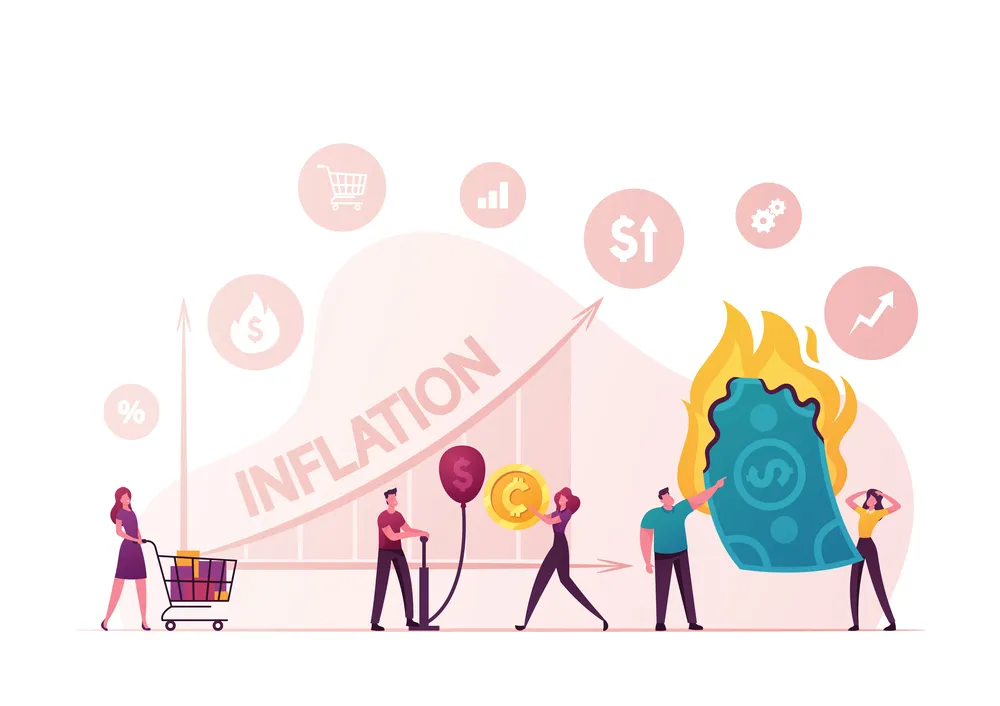
Inflation is the rate at which the general level of prices rises over time. When inflation is high, the same amount of money buys less.
The two main measures
- Consumer Price Index (CPI): tracks the prices households pay for a basket of goods and services, including food, fuel, housing, clothing and services. It is released monthly by the National Statistics Office.
- Wholesale Price Index (WPI): tracks prices at the wholesale level, mostly goods. It is released by the Office of the Economic Adviser in the commerce and industry ministry.
Why CPI matters most
The Reserve Bank of India's inflation target is set in terms of CPI: 4%, with a tolerance band of 2% to 6%. When CPI inflation runs high, the RBI may raise interest rates to cool demand.
What drives it
In India, food prices, especially vegetables, pulses and cereals, often drive swings in inflation because they make up a large share of household spending. Fuel prices, the rupee's value and strong demand also play a role.