
Inside the IPL player auction: purses, retentions and the economics of bidding
Every IPL franchise builds its squad within a fixed budget. Here is how the auction works, how base prices and retentions shape strategy, and where the money comes from.
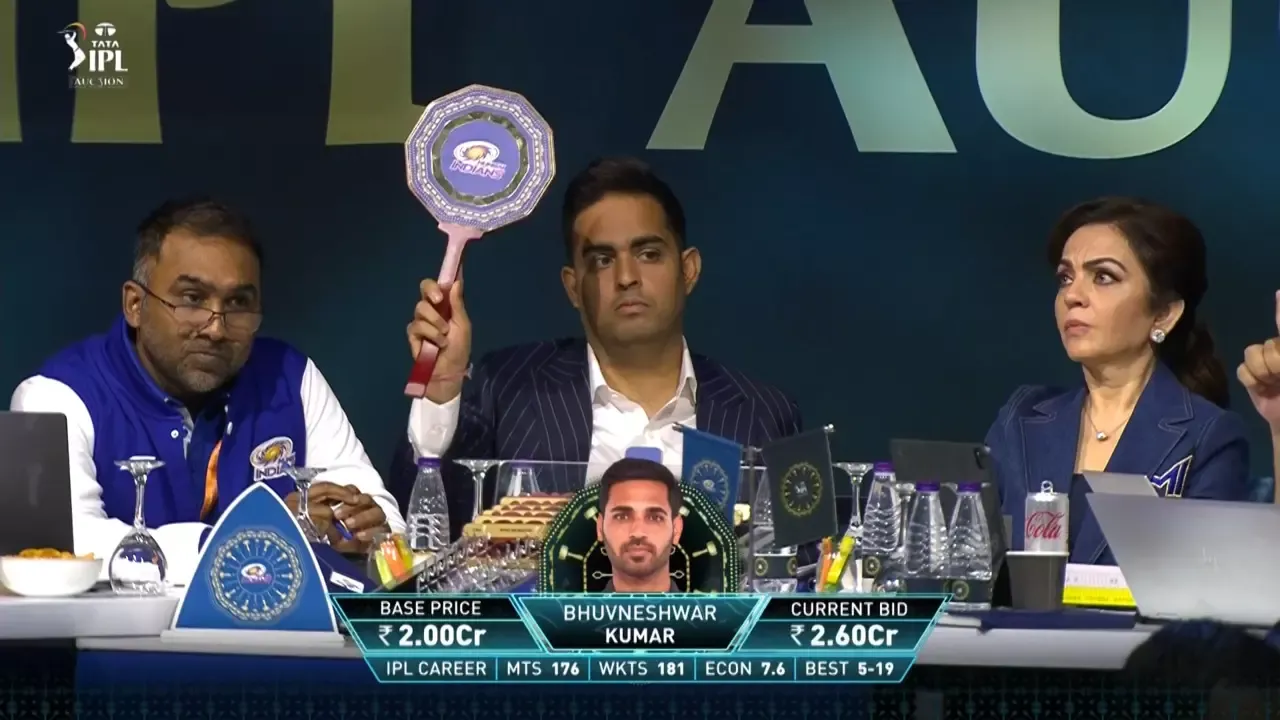
Few events in Indian sport generate as much off-field drama as the Indian Premier League player auction. Team owners and analysts sit at tables raising paddles, and within minutes a player's market value is set for the season ahead. Behind the theatre is a tightly regulated system.
The salary purse. Each franchise gets the same maximum budget, or purse, to spend on its squad. The purse is fixed by the league and is revised from time to time. Retained players are charged against it, so a team that keeps several stars enters the auction with less money. This cap is meant to stop the richest owners from simply buying the best team.
Retentions and big auctions. Before a major auction, typically held every few years, teams can retain a limited number of players from their existing squads. In between, smaller auctions fill gaps. Retention is a strategic choice: keeping a proven core brings stability, while releasing players frees up money and lets a team rebuild.
How bidding works. Players register with a base price, the lowest amount at which bidding can start. An auctioneer presents them in sets, often grouped by role, such as batters, bowlers or wicketkeepers. Franchises raise bids in fixed increments until no one goes higher. Unsold players may come back later in the auction if a team requests it.
Squads must stay within minimum and maximum sizes, and there is a cap on the number of overseas players in a squad, with only four allowed in a playing eleven. That rule makes quality Indian players, including uncapped youngsters, especially valuable.
Where the money comes from
Franchises earn from a central pool, largely made up of media-rights income shared by the league, along with sponsorships, ticket sales and merchandise. Media rights have become the biggest driver of IPL economics, which is why franchise valuations have risen so sharply over the years.
Why it matters
For players, especially domestic cricketers, a good auction can be life-changing, offering earnings that once seemed impossible in Indian cricket. For fans, it shapes the identity of their team. For the wider game, the IPL's model has influenced franchise leagues around the world.
Smart auctions are less about chasing the biggest names and more about balance: matching players to roles, conditions and budget. That puzzle is what keeps analysts busy long after the paddles go down.