
Opinion: A COP31 deal that forgets fossil fuels and adaptation money would fail countries like India
The revised draft at COP31 in Antalya dropped all fossil fuel language and the $120 billion adaptation finance target. India should push for finance and a fair transition together.
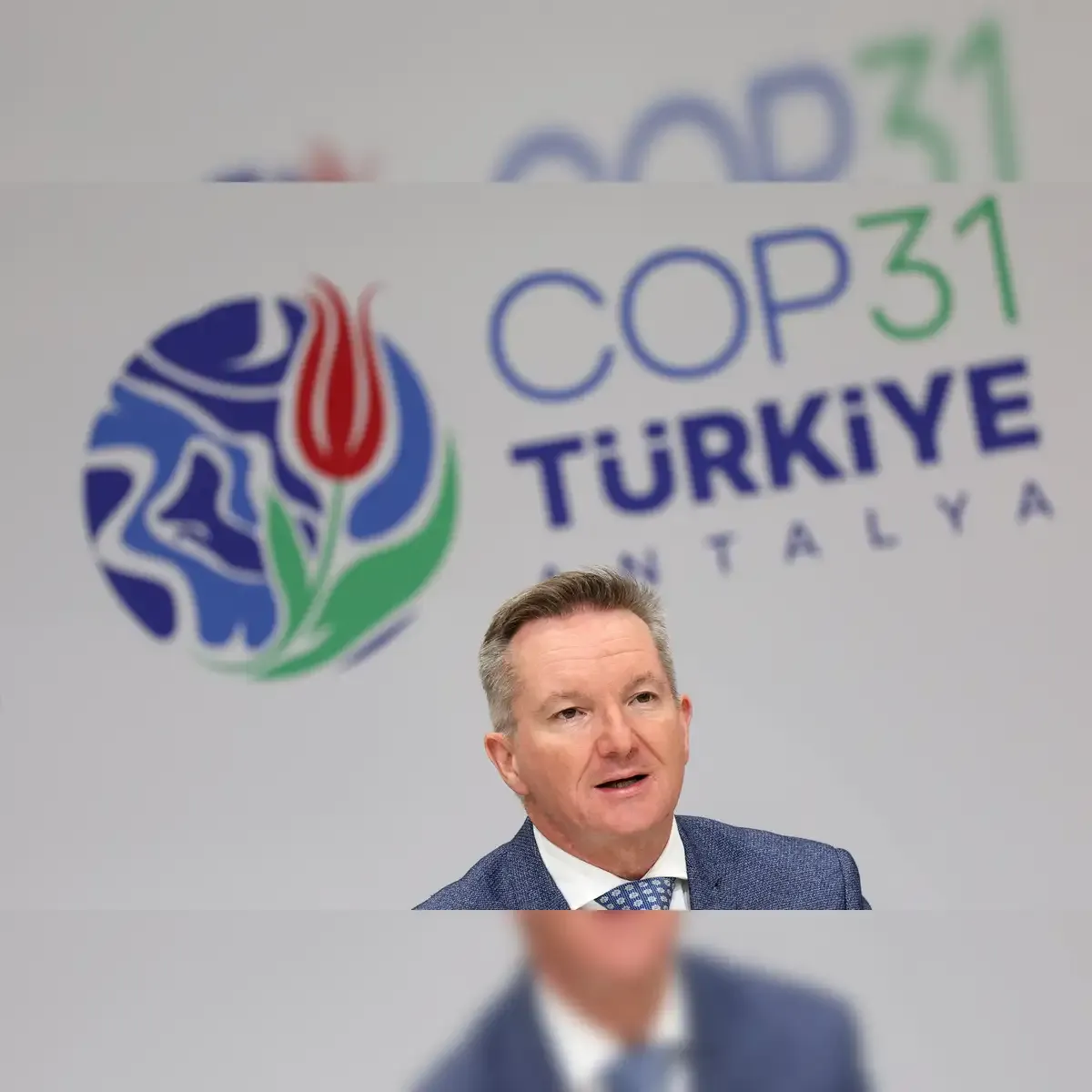
This is an editorial by the TUI News editorial desk.
As the UN climate conference in Antalya entered its last scheduled day on Friday, the text on the table had become noticeably weaker. The revised draft of the main COP31 decision, released on Thursday, dropped every reference to fossil fuels, including language on moving away from them, ThePrint and Climate Home News reported. It also removed a $120 billion target for adaptation finance that developing countries had sought, and, according to Climate Home News, postponed any number for tripling adaptation finance to COP32. The draft kept a goal of raising electricity's share of global final energy use to 35 per cent by 2035, ThePrint reported.
Negotiations may still change the text before it is adopted. But the direction of travel is a concern.
Two gaps, one problem
Harjeet Singh of the Fill the Fund campaign told ThePrint that the draft was "actively more regressive, stripping out hard-won accountability, timelines, and legal anchors." Aarti Khosla of Climate Trends noted that it reflects India's long-held view that ambition cannot be separated from equity, but said developed countries' obligations to provide finance "remain insufficiently clear."
Both points matter. A climate deal that is silent on fossil fuels ignores the main cause of warming. A deal that is vague on adaptation money ignores the people already paying for it. Developing countries need both: a credible path away from coal, oil and gas, and real money to cope with the damage that is already locked in.
India's stake
This week alone, Odisha moved more than three lakh people ahead of Cyclone Akvan, the third storm to threaten the state in 24 days. Delhi has spent much of November under emergency air-quality curbs. Indian farmers face more erratic rain each year. India needs adaptation finance not as a favour but as part of a fair bargain, given that its historical emissions are small relative to its population.
India has also built one of the world's largest renewable energy programmes. A strong global signal on moving away from fossil fuels supports that investment, lowers the cost of clean technology and reduces the country's heavy oil import bill. Equity and ambition need not be opposites. India is well placed to argue for both.
What the desk would like to see
- Restore a fossil fuel reference that builds on what countries agreed at COP28 in Dubai, with room for different national timelines based on development needs.
- Put a number on adaptation finance, or at least a firm date and process for agreeing one, rather than an open-ended postponement.
- Make electrification fair. A 35 per cent global target is useful only if developing countries get access to affordable finance for grids, storage and clean power.
- Keep the science timetable on track, so that the next global stocktake is informed by the best available evidence.
Consensus at COP is hard, and some compromise is inevitable. But a final text that leaves out both the cause of the problem and the money to cope with it would satisfy no one who lives on a cyclone coast or a drought-prone farm. India's negotiators should press for an outcome that keeps both in the text.