
What a trade deficit really means for ordinary Indian households
India usually imports more goods than it exports. Here is why that happens, how services and remittances help balance the books, and how it can touch your wallet.
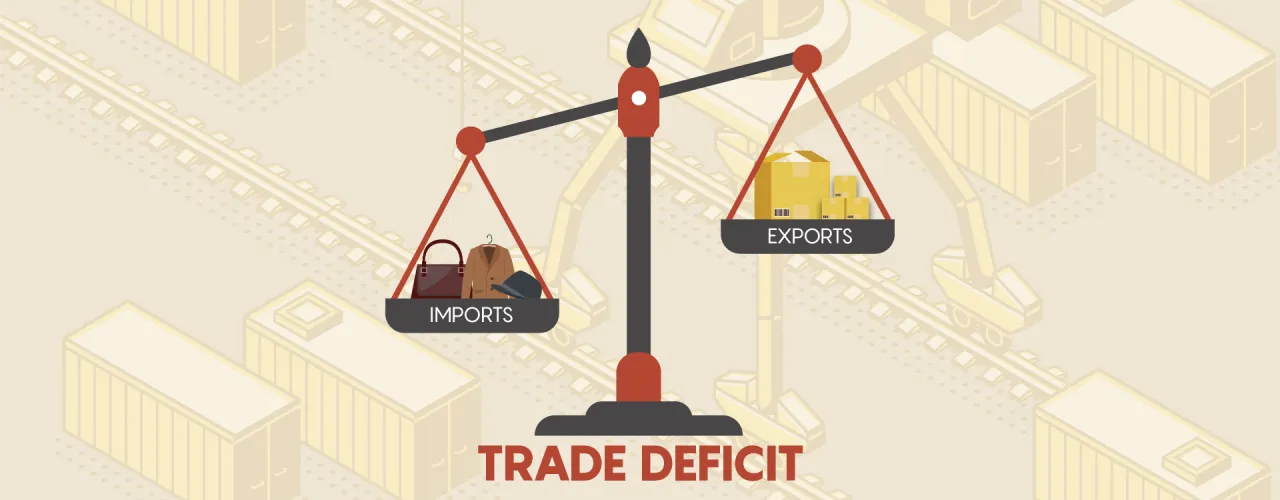
News reports often mention that India's trade deficit has widened or narrowed. It sounds like a problem for economists alone. In fact, it helps explain why petrol prices move, why imported phones cost what they do and why the rupee rises or falls against the dollar.
The basic idea. A trade deficit simply means a country buys more from the world than it sells. India has long run a deficit in goods trade. Its largest imports include crude oil, electronics, gold, coal and machinery, while exports range from refined petroleum products and engineering goods to pharmaceuticals, gems and jewellery, and textiles.
A deficit is not automatically bad. A growing economy needs fuel, machines and components, and importing them can boost production and jobs. The concern arises when the gap becomes very large or is driven mainly by consumption rather than investment.
The other side of the ledger. Goods are only part of the story. India earns a substantial surplus from services, such as software, IT-enabled services and business consulting. Indians working abroad also send home large remittances. When these inflows are added to goods trade, you get the current account balance, which is usually a much smaller deficit than the goods figure alone.
Why it touches your wallet
To pay for imports, Indian buyers need foreign currency, mostly dollars. A wider deficit means more demand for dollars, which can weaken the rupee. A weaker rupee makes imported goods costlier, from crude oil to laptops to cooking oil, and can feed into inflation. On the flip side, it helps exporters earn more rupees for every dollar of sales, and can make Indian services more competitive.
Global oil prices play an outsized role. Because India imports most of the crude it uses, a sharp rise in oil prices can widen the deficit quickly, while a fall can shrink it.
How the gap is financed
A current account deficit has to be funded by capital inflows, such as foreign direct investment, portfolio investment in shares and bonds, or loans. If those flows dry up, the RBI may use its foreign exchange reserves to steady the rupee.
Policies that boost manufacturing, energy efficiency and exports aim to narrow the gap over time. For households, following the trade numbers is a useful early clue about where prices and the rupee may be heading.