What streaming platforms changed about the way Indian stories are told
The long-form series has given Indian writers room to slow down, go local and leave out the song-and-dance formula. It has also brought new pressures.
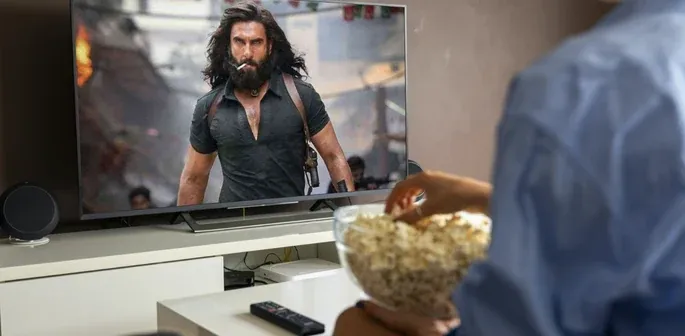
For decades, an Indian story on screen had two main shapes. There was the feature film, usually around two and a half hours with an interval in the middle, and there was the daily television serial, which could run for years. Streaming platforms introduced a third shape, and it has quietly rewired how writers think.
Room to breathe
A series of eight or ten episodes gives a writer something a film rarely does: time. A minor character can get an episode of her own. A small town can become a character, with its dialect, its politics and its slow afternoons. Stories that once had to be compressed into a single act can now unfold over several hours without losing the audience.
The format also removed some old commercial compulsions. There is no interval to build towards, no need for a song every half hour and less dependence on a single star to sell tickets on opening Friday. Many viewers discovered they enjoyed watching unfamiliar faces in roles that felt lived in.
Subtitles and dubbing have made it ordinary for a viewer in Kolkata to binge a Malayalam thriller or for a family in Pune to follow a Tamil drama. Regional writers found an audience far beyond their state, and producers began to see language as a flavour rather than a limit. That has been one of the most welcome shifts of the past decade.
None of this is free of strain. Platforms watch completion rates closely, which pushes writers to end every episode on a hook. Some series stretch a two-hour idea across a full season. Dark, violent crime stories became so common that many viewers now complain about sameness. Budgets have also tightened at times, and creators report that commissioning has become more cautious.
There is a regulatory dimension as well. Streaming content in India follows a self-classification framework with age ratings and parental controls, and debates over what belongs on these platforms surface regularly.
Why it matters to you
As a viewer, you now have more choice than any earlier generation of Indian audiences, and your watching habits shape what gets made next. Finishing a quiet, well-written show sends a signal. So does abandoning a padded one after two episodes.
The next chapter will probably be about balance: finding room for comedy, family stories and gentler genres alongside the thrillers, and keeping the local texture that made the format feel fresh in the first place.