What the Model Code of Conduct allows and forbids during an election
Once the Election Commission announces a poll schedule, a set of guidelines governs governments, parties and candidates. Here is what it covers and how voters can report violations.
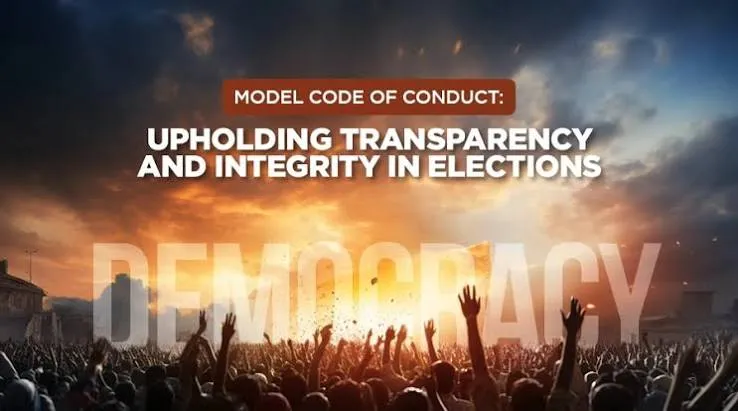
The moment the Election Commission of India announces dates for a general or state election, a rulebook quietly comes into force across the affected area. It is called the Model Code of Conduct, and it shapes everything from campaign speeches to government advertisements until results are declared.
A code built on consensus. Interestingly, the Code is not a law passed by Parliament. It grew out of guidelines agreed with political parties over the years, and the Commission enforces it using its constitutional power under Article 324 to superintend and conduct elections. Some of the conduct it covers, such as bribery or appeals based on religion, is also an offence under the Representation of the People Act and criminal law.
What it asks of governments. Ruling parties at the Centre and in states must not use official machinery for campaigning. Ministers cannot combine official visits with election work or use government vehicles and staff for campaigning. Fresh announcements of schemes, grants or projects that could sway voters are generally restricted, and government-funded advertising that highlights achievements is curbed. Ongoing welfare schemes usually continue. Transfers of officials connected with elections need the Commission's approval.
What it asks of parties and candidates. Criticism should be limited to policies, programmes and past record, not private lives. Appeals to caste or communal feelings are barred, as are places of worship being used for campaigning. Meetings and processions need prior permission from local authorities, and parties must avoid disrupting rivals' events. Campaigning in a constituency stops 48 hours before polling closes there, a period often called the silence period.
How you can help enforce it
Voters can report violations, such as distribution of cash or liquor, through the Commission's cVIGIL mobile app by uploading a photo or video. Complaints are routed to field teams. Flying squads and static surveillance teams also check vehicles for cash and freebies during the campaign period.
Why it matters
The Code aims to keep the contest fair by stopping incumbents from using public resources to gain an edge, and by keeping campaigns within limits of decency. Debates continue over whether it should be given statutory backing and how strictly it should apply to digital and social media campaigns.
Understanding the Code helps citizens recognise what is acceptable during elections and when to raise a flag.