
Why the rupee rises and falls against the dollar
The rupee's value is set largely by the market, with the RBI stepping in to smooth sharp moves.
TUI Admin
Mumbai · Published:
· Updated:
· 1 min read
·
1 view
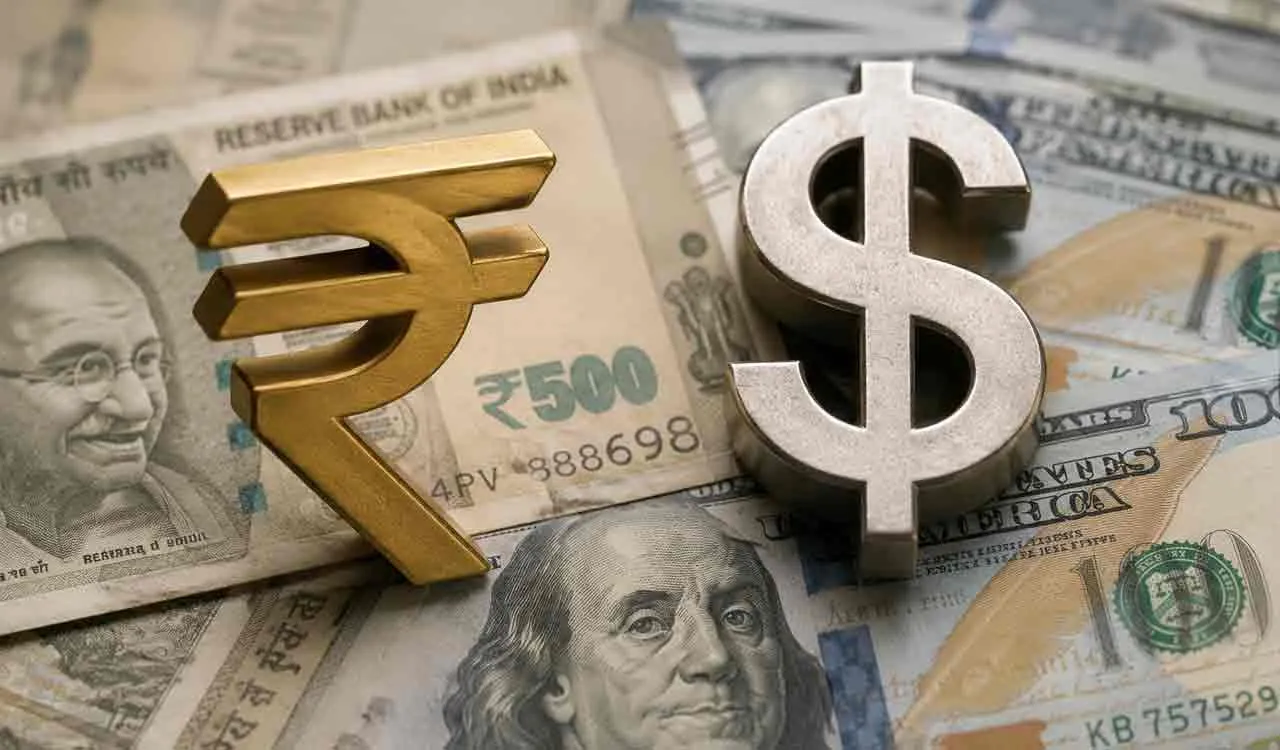
The rupee's exchange rate is the price of one currency in terms of another, for example how many rupees it takes to buy one US dollar. India follows a market-determined exchange rate, so supply and demand set the price.
What moves it
- Trade: importers need dollars to pay for oil, gold and other goods; exporters bring dollars in.
- Investment flows: when foreign investors buy Indian shares and bonds, they bring in dollars; when they sell, they take them out.
- Interest rates in India compared with the US.
- Global events that make investors rush towards the dollar as a safe haven.
The RBI's role
The Reserve Bank does not fix the rate, but it can buy or sell dollars from its foreign exchange reserves to curb excessive volatility.
What it means for you
A weaker rupee makes imports, foreign travel and studying abroad more expensive, but it helps exporters and families receiving remittances.