Heatwave season: how IMD defines extreme heat and how to stay safe
A heatwave is not just a hot day. Learn the thresholds weather scientists use, the warning colours, and practical steps to protect yourself and vulnerable family members.
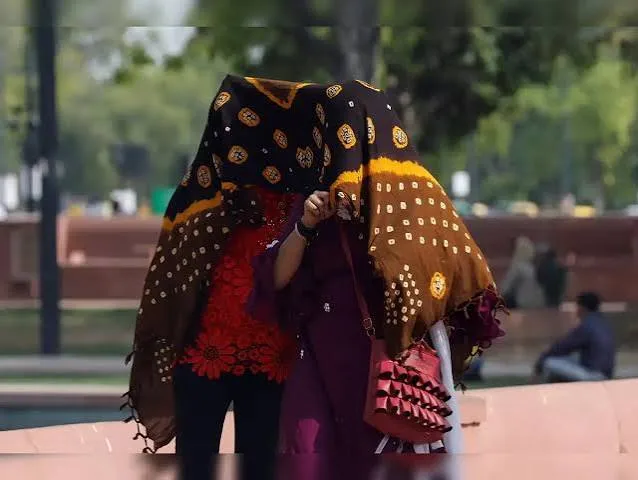
Indian summers have always been harsh, but a heatwave is something more specific than an uncomfortable afternoon. It is a stretch of abnormally high temperatures that can put the human body under serious strain, and it is defined using clear scientific thresholds.
When is it officially a heatwave? The India Meteorological Department considers heatwave conditions only after a station's maximum temperature reaches at least 40°C in the plains, 37°C along the coast or 30°C in hilly areas. Beyond that, it looks at how far the reading is above the normal for that place and date. A departure of roughly 4.5°C to 6.4°C counts as a heatwave, and a larger departure as a severe heatwave. Very high absolute temperatures can also trigger the label on their own.
IMD issues colour-coded alerts: green for no action, yellow to stay aware, orange to be prepared and red to take action. Many states and cities now run heat action plans that open cooling shelters, adjust school and work timings, and keep drinking water available in public places.
Who is most at risk
Older people, infants, pregnant women, outdoor workers and those with heart, kidney or other long-term conditions are particularly vulnerable. Crowded homes with tin roofs and poor ventilation can stay dangerously hot even after sunset, which denies the body a chance to recover overnight.
Simple steps that help
- Drink water regularly, even before you feel thirsty, and include traditional options such as buttermilk or lemon water if they suit you.
- Avoid strenuous outdoor work between late morning and late afternoon where possible.
- Wear loose, light-coloured cotton clothing and cover your head outdoors.
- Keep curtains drawn on sun-facing windows and check on elderly neighbours.
- Never leave children or pets inside a parked vehicle.
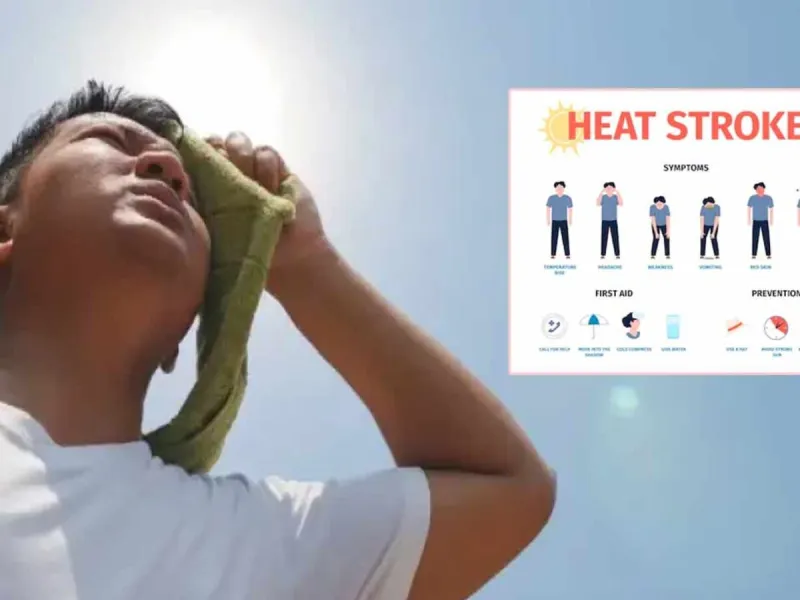
Warning signs of heat illness include dizziness, headache, nausea, cramps, confusion and unusually hot, dry skin. Move the person to shade, loosen clothing and cool them with water. Heatstroke is a medical emergency, so seek help immediately.
Hot days are likely to remain a regular feature of Indian summers, so preparation matters as much as forecasts. This article offers general information only; anyone with symptoms or an existing health condition should consult a qualified doctor for advice suited to them.