How to spot a phishing SMS before it empties your bank account
Fake messages about electricity bills, parcels and KYC updates are everywhere. Learn the tell-tale signs and what to do if you have already clicked.
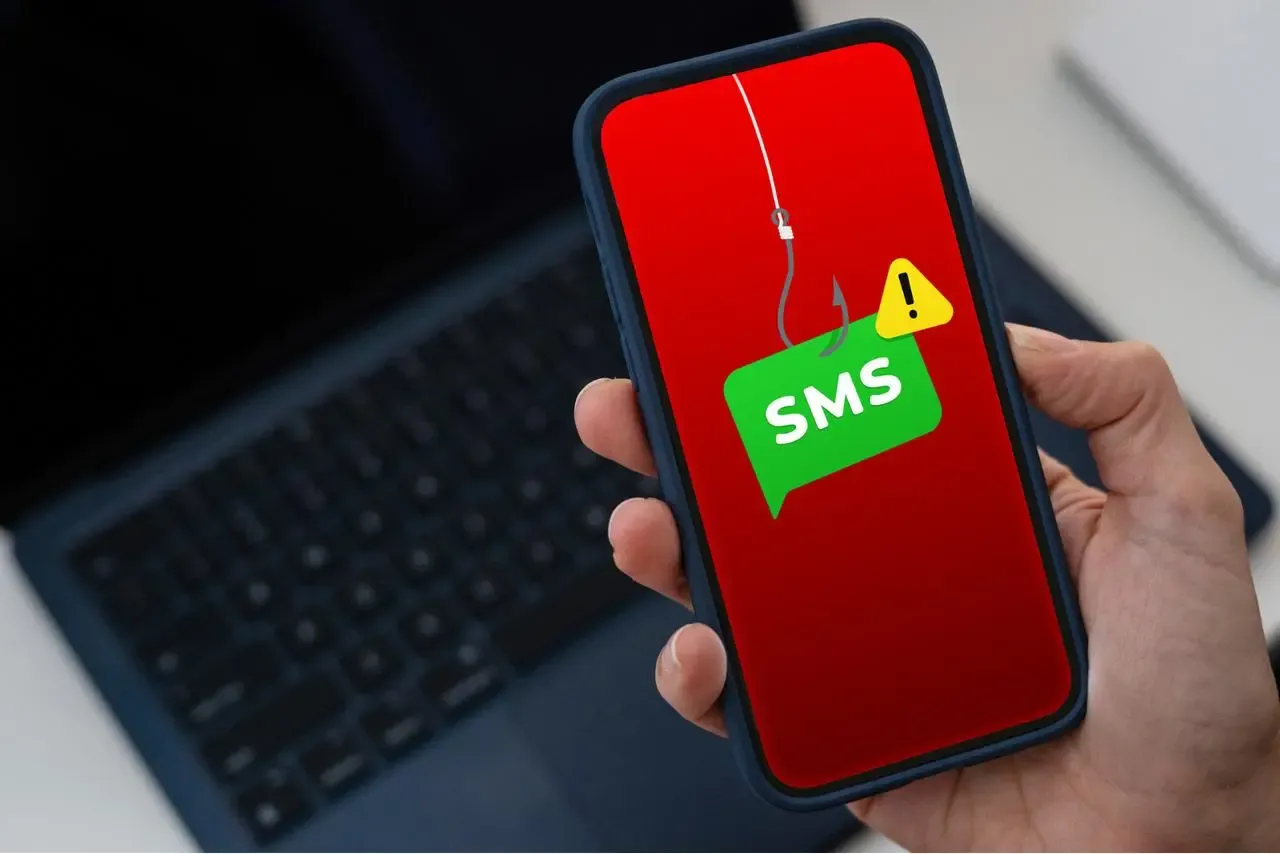
The message arrives at an awkward hour. Your electricity will be cut tonight, it says, unless you call a number or tap a link. Or your bank account will be frozen because your KYC is incomplete. Or a parcel is stuck at a warehouse and needs a small fee. The details change; the trick does not. This is phishing by SMS, sometimes called smishing, and it works because it catches people in a moment of worry.
The warning signs
Most fake messages share a few traits:
- Urgency. Deadlines like tonight, within two hours or immediately are designed to stop you from thinking.
- Odd links. Shortened URLs, misspelt brand names or long strings of random characters.
- Personal numbers. Genuine organisations send bulk messages through registered sender IDs, not from a ten-digit mobile number.
- Requests for secrets. No bank, utility or government office will ask for your OTP, PIN, card number or password over SMS or a call.
- Remote access. Any request to install a screen-sharing or support app is a serious red flag.
Pause. Then verify the claim through a channel you already trust: the official app, the number printed on your bill or card, or the website you type in yourself. If the message claims to come from your bank, log in through the bank's app and see whether there is any alert. In almost every case, there is nothing pending.
Delete the message and report it. You can forward spam to your telecom operator, report suspicious numbers through the government's Sanchar Saathi portal, and block the sender.
Do not panic, but act quickly. If you entered banking details, call your bank to block the card or account. Change passwords you may have typed. If money has left your account, call 1930, the national cyber crime helpline, as soon as possible, and file a complaint at cybercrime.gov.in. Speed matters because early reports give banks a better chance of freezing the money.
Why it matters to you
Phishing does not target only the careless. It targets the busy, the elderly, the newly employed and anyone expecting a parcel. Talk to your parents and grandparents about these messages, since they are often the preferred targets.
Scammers will keep inventing new stories. The habit that defeats them stays the same: slow down, verify independently and never share a code that unlocks your money.