How UPI works behind the scenes when you scan a QR code and pay
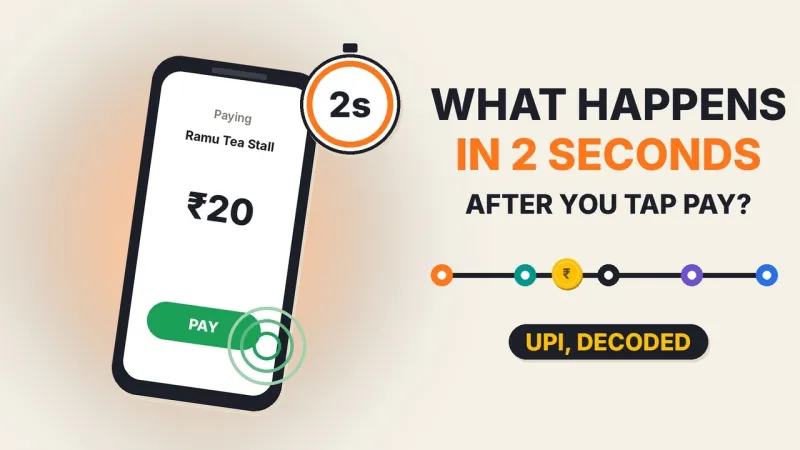
A UPI payment takes seconds, but several systems talk to each other in that time. Here is the journey of your money, step by step.
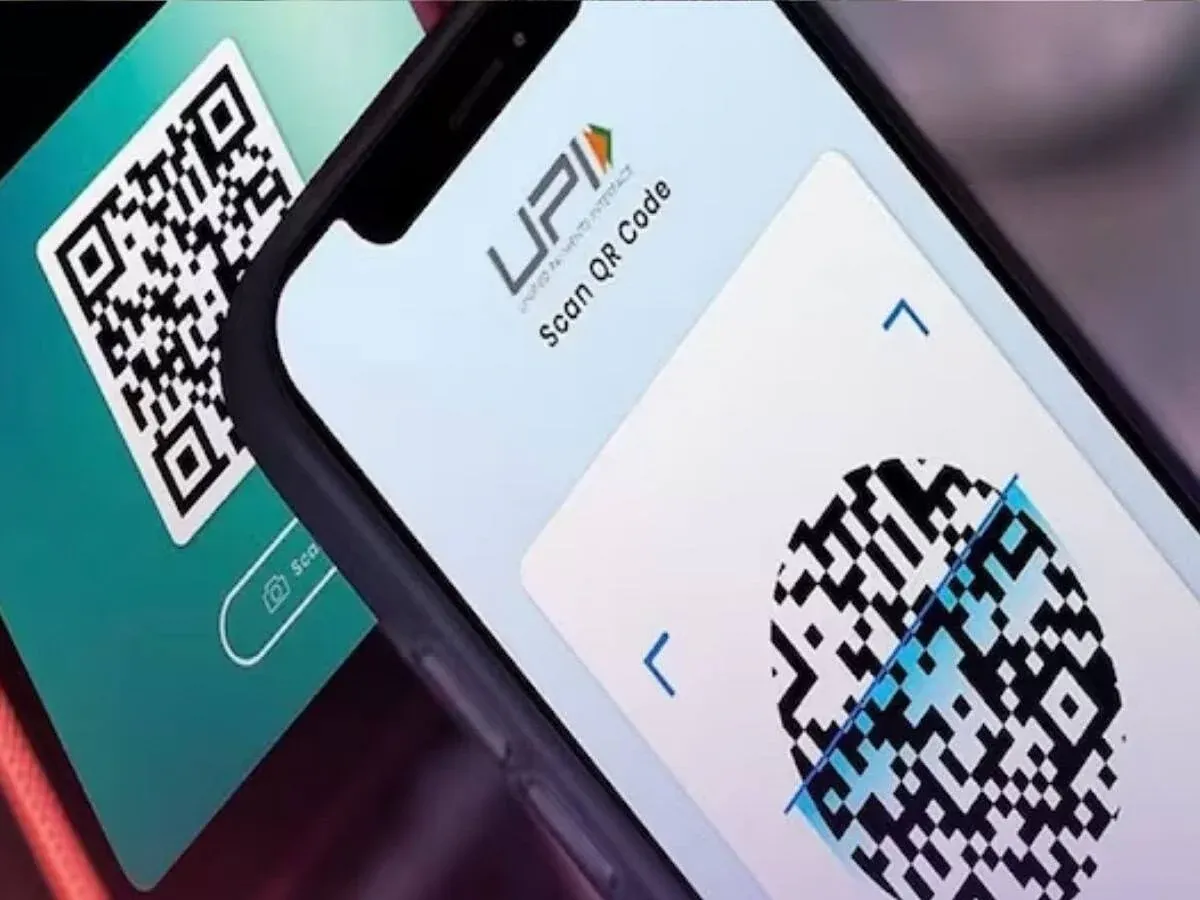
You scan a QR code at a tea stall, type a four- or six-digit PIN and hear the reassuring voice announcement from the shopkeeper's speaker. The whole thing takes less time than counting out change. Behind that moment sits one of the most widely used real-time payment systems in the world, and understanding it helps you use it more safely.
The players involved
Unified Payments Interface, or UPI, is run by the National Payments Corporation of India, an organisation set up by banks under the guidance of the Reserve Bank of India. NPCI does not hold your money. Your bank does. The payment app on your phone, whether it comes from a bank or a technology company, is a front door that connects you to this network.
When you pay, roughly this happens:
- The QR code or UPI ID tells your app who the payee is, usually as a virtual payment address that looks like name@bankhandle.
- Your app sends the request, along with your encrypted PIN, to your bank through the UPI switch run by NPCI.
- Your bank checks the PIN and balance, then debits your account.
- The switch passes the instruction to the payee's bank, which credits the merchant's account.
- Confirmations flow back to both phones, often within a few seconds.
Banks settle the net amounts among themselves later in batches, but for you and the shopkeeper the money has effectively moved instantly.
The UPI PIN is the key that authorises money to leave your account. That leads to the single most important rule: you never need to enter your PIN to receive money. If anyone asks you to enter it so that they can send you a refund, prize or payment, it is a scam. A collect request asks you to approve a payment from your account, so read the screen carefully before tapping.
Why it matters to you
UPI has made small payments effortless, which is exactly why fraudsters target it. Keep your app updated, set a screen lock on your phone and check the payee's name that appears before you confirm. If something goes wrong, report it quickly through your app or bank, and call the national cyber crime helpline, 1930, or file a complaint on cybercrime.gov.in.
The system keeps adding features, from small offline payments to credit lines linked to UPI. Each new option brings convenience, and each one deserves the same basic caution about who you are paying and why.