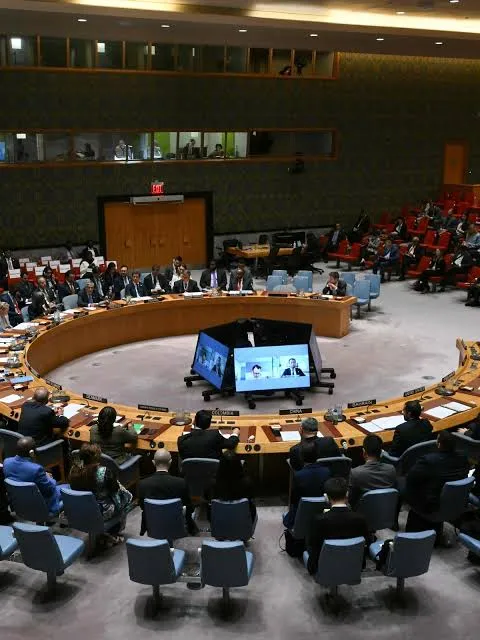
ICJ and ICC are often confused. Here is what each international court does
Both sit in The Hague, but one settles disputes between countries while the other prosecutes individuals for grave crimes. A plain guide to their powers and limits.
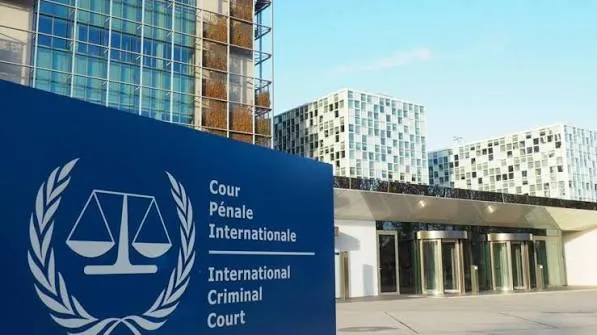
They share a city, similar-sounding names and a role in international justice. Yet the International Court of Justice and the International Criminal Court are very different institutions, and mixing them up leads to a lot of confusion in news coverage.
The International Court of Justice. The ICJ is the principal judicial organ of the United Nations, set up under the UN Charter in 1945 and based in the Peace Palace in The Hague. It hears disputes between states, not individuals. Typical cases involve borders, maritime boundaries, treaty interpretation or claims that one country has breached its obligations towards another.
The court has 15 judges, elected by the UN General Assembly and Security Council for nine-year terms, drawn from different regions and legal traditions. It can only hear a case if the states involved have accepted its jurisdiction, whether through a special agreement, a treaty clause or a general declaration. Its judgments are binding on the parties, but it has no police force. Enforcement ultimately depends on the countries themselves and, in theory, the Security Council.
The ICJ also gives advisory opinions when asked by UN bodies. These are not binding, but they carry considerable legal weight.
The International Criminal Court
The ICC is a separate treaty-based court, created by the Rome Statute of 1998 and operating since 2002. It is not a UN organ. It prosecutes individuals accused of four categories of grave crime: genocide, crimes against humanity, war crimes and the crime of aggression.
The ICC is meant to be a court of last resort. It steps in only when national courts are unwilling or unable to genuinely investigate. It can act where crimes occur on the territory of a member state, are committed by a member state's national, or are referred by the Security Council. Many countries, including India, the United States and China, are not members.
Why the difference matters
When you read that a country has 'taken another to court in The Hague', it is usually the ICJ. When you read about arrest warrants or trials of individuals, it is usually the ICC. Both depend heavily on cooperation from states, which is their greatest strength and their biggest weakness.
As conflicts and cross-border disputes grow more complex, both courts are likely to stay in the headlines. Knowing which is which helps you read those stories with clearer eyes.