Odisha moved more than three lakh people before Cyclone Akvan. That model deserves to be copied, but recovery, livelihoods and repeated storms now need the same rigour.
The Health Ministry wants antimicrobials treated as new drugs needing central approval. That can curb substandard products and drug resistance, if the regulator has the capacity to act quickly.
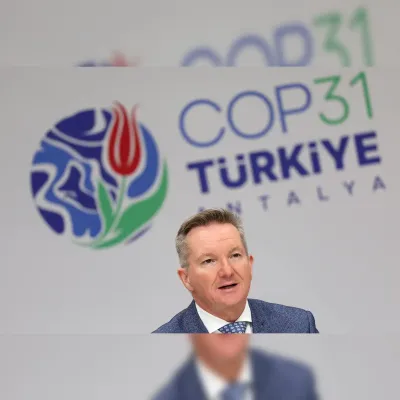
The revised draft at COP31 in Antalya dropped all fossil fuel language and the $120 billion adaptation finance target. India should push for finance and a fair transition together.
India imported a record 5.58 million barrels of crude a day in October. Diversifying suppliers helps, but cutting dependence needs reserves, domestic output and lower oil demand.
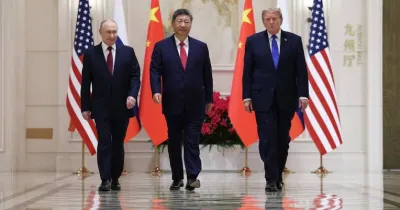
The US, Chinese and Russian leaders issued a joint statement in Shenzhen. Its nuclear and UN reform language is welcome; its silence on Ukraine and its view of international courts are not.
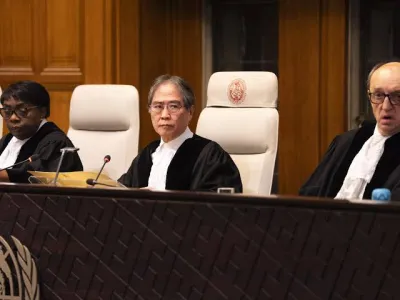
The world court found Myanmar responsible for genocide against the Rohingya. It cannot enforce its own orders, so states, including India, must help turn the judgment into results.
Denmark's parliament approved a US–Greenland–Denmark security pact 109-0. After months of strain, an agreement negotiated with Greenland's own lawmakers is the right outcome.
An Indian electric three-wheeler maker won Earthshot's Clean Our Air prize in Mumbai. The lesson for policy is to make clean vehicles easy to finance, charge and run for small operators.
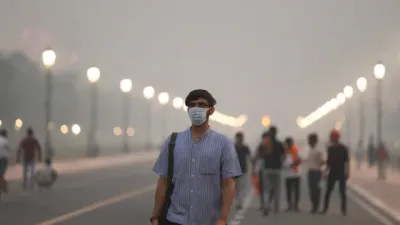
Delhi-NCR came out of GRAP Stage III this week, but air quality is still poor. Emergency rules cannot replace year-round action across the whole region.
This column argues that safer Indian roads depend less on grand campaigns and more on everyday habits: the helmet strap, the zebra crossing, the patience at a red light.
This column argues that our group chats would be happier and more truthful places with a few shared habits: checking before forwarding, respecting time and staying kind.
This column argues that reporting on your ward, district and town is a public good that keeps institutions accountable, and that readers have a role in sustaining it.
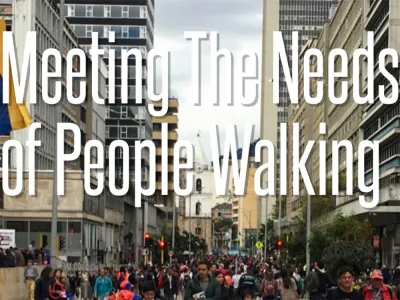
This column argues that shared spaces such as parks, footpaths and plazas are not luxuries but civic infrastructure, and that citizens and planners both have a part to play.
We use essential cookies to run this site. With your permission we also use analytics and advertising cookies to understand readership and show relevant ads.
Cookie Policy ·
Privacy Policy
Never miss breaking news
Get an alert from TUI News only when big news breaks.